


Immortal Taoists - Idle Manga
4.513.26K Reviews
App Specs
- Version
- 1.8.7
- Updated On
- License
- Free
- Downloads
- 5,000,000+
- Developer
- Entrepreneur Game
- Categories
- Word
- Platform
- Android
Screenshots
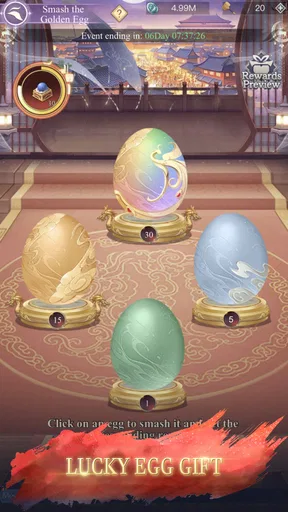

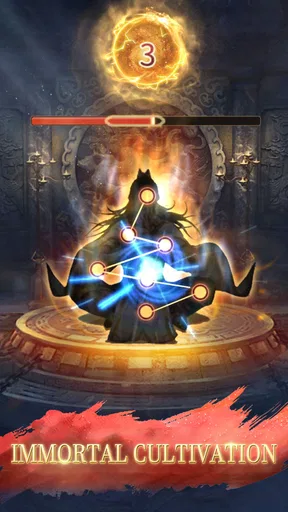
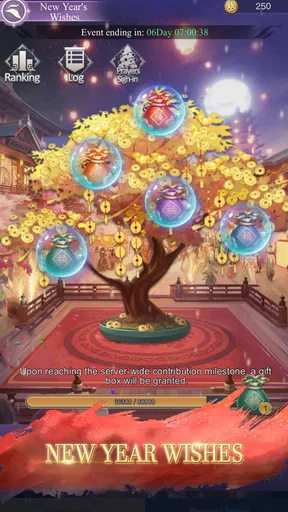
 Analysis by AppCompare
I approached Immortal Taoists - Idle Manga as a game to dip into between other tasks, and its cultivation theme makes that rhythm feel natural. Instead of demanding a long, uninterrupted session, it frames progress as a gradual journey from mortal beginnings toward immortality. That makes it easier to fit into a day, though it will not suit everyone: if you want a word game with quick puzzles, or an action game that keeps your hands busy, this is a very different kind of experience.
Readability and finding your way around
The game’s central idea is easy to grasp even if you are new to cultivation stories: improve your character, manage progress, and work toward a higher realm. I like that the theme gives those steps a sense of purpose. The manga-inspired presentation helps establish the setting, while the measured pace gives me room to look around rather than forcing me to make every decision in a hurry.
That slower rhythm has a practical benefit for players who prefer to read and act in short bursts. I can check what my character is working toward, make a choice, then leave the game without needing to hold a complicated sequence of actions in my head. Still, a calm pace does not automatically make every screen effortless to follow. Resource names such as Chi and Spirit Jade belong to the game’s cultivation vocabulary, and newcomers may need time to understand what each one contributes. I would take a moment to read the surrounding explanations instead of tapping through unfamiliar terms just to move on.
Its average rating is 4.5 from around 283,000 ratings, and the game has passed one million installs. Those figures suggest that it has reached a sizable audience, but I would treat them as context, not as a guarantee that its pace or presentation will work for me personally. The more useful question is whether I enjoy watching a character develop over time and making occasional decisions about that development.
Motor and sensory considerations
Because this is an idle role-playing game rather than a reflex-heavy action title, its basic appeal is less tied to rapid reactions. That can make it a more comfortable pick for someone who prefers to play at a measured pace or wants to avoid a session built around constant movement. I also appreciate that the game’s premise supports brief check-ins: I can approach it as a small routine rather than treating every visit as a marathon.
There are limits to that advantage. Managing several resources and following cultivation progress still involves paying attention to the game’s menus and information. Someone who finds detailed interfaces tiring may prefer a much simpler idle game, while anyone who relies on specific display, input, or audio accommodations should check how the game works on their own device before settling in. I would not assume that a relaxed genre automatically means every interaction is easy for every player.
When it fits into a real day
The strongest use case is a player who enjoys slow-burn progression and can give the game a little attention at intervals. For example, I could open it during a quiet break, review how cultivation is going, decide where to focus, then return to work or another activity. It is a gentler fit for that pattern than a match-based game that expects me to be ready for a full round right away.
Worth Reading Before You Choose

Flipboard Shows What News Apps Must Do Beyond the Feed

Switching to Android Auto Means Rethinking Your Driving Routine

Google Calendar Makes a Crowded Week Easier to Manage

Ludo King Makes the Most of the Minutes Between Plans

Baby Panda World Brings Quick Play to Modern Phones, but Its Game Library Feels Busy

ESPN’s Live Game View Makes Following Close Games Easier
There is also a social side for players who want more than solitary progression. Sects and friendly duels give the world a shared dimension, while events can provide a reason to check in with some regularity. I would approach those elements at my own pace rather than treating every activity as an obligation. If a game starts feeling like another appointment in an already busy day, its relaxing premise loses some of its appeal.
Embarking on Your Immortal Journey
When you first step into Immortal Taoists, you’re greeted by a serene, yet mysterious landscape. The game doesn’t rush you; it’s like it understands you need some time to soak in the beauty of its world. You start as a humble mortal, and your goal? To ascend to immortality through diligent cultivation. Sounds epic, right?
The game takes a gentle approach to progression. It’s essentially an idle game, which means you can kick back and let your character do their thing while you’re off handling real-life responsibilities. But don’t be fooled by the term ‘idle’—there’s a lot to explore and discover, and the game rewards patience and strategy.
The Art of Cultivation
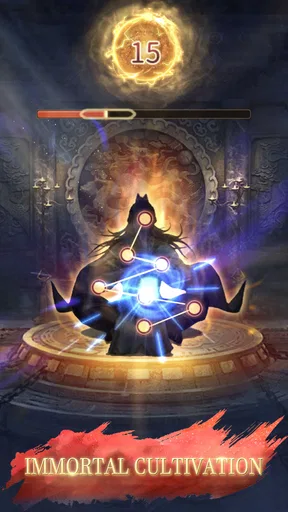
In the Taoist tradition, cultivation is about more than just gaining power. It’s a philosophical journey towards enlightenment, and Immortal Taoists captures this beautifully. You’ll spend your time meditating, practicing martial arts, and refining your alchemy skills. There’s a real sense of growth as you watch your character evolve from a mere mortal into a powerful sage.
The mechanics are surprisingly deep for an idle game. You have various resources to manage—Chi, Spirit Jade, and more. Balancing these is key to leveling up and unlocking new abilities. And let me tell you, there’s nothing quite like the satisfaction of finally reaching a new realm of cultivation after days of effort.
Rich Storyline and World-Building
One of the standout features of Immortal Taoists is its rich narrative. The game isn’t just about grinding for power; it’s about immersing yourself in a story steeped in Eastern mythology. You’ll encounter legendary figures, form alliances, and maybe even uncover ancient secrets. The storytelling is woven seamlessly into the gameplay, making every achievement feel meaningful.
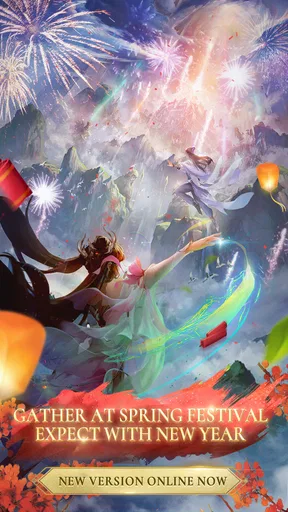
The world-building is just as impressive. The developers have done an excellent job of creating a vibrant universe that’s both detailed and enchanting. From lush forests to mystical mountains, every location is a visual treat. The art style, reminiscent of classic manga, adds a layer of charm that’s hard to resist.
Community and Multiplayer Features
Even though Immortal Taoists is primarily an idle game, it doesn’t skimp on social features. There’s a thriving community of players who share tips, strategies, and stories. You can join sects, participate in events, and even engage in friendly duels. It’s a nice touch that adds a layer of depth to the experience and makes it feel like you’re part of a larger world.
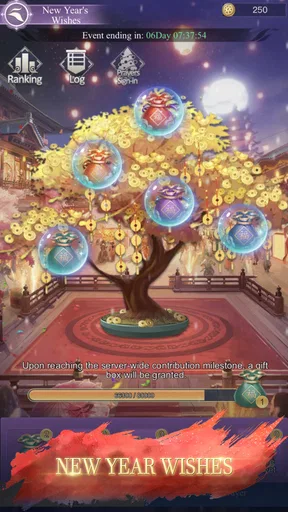
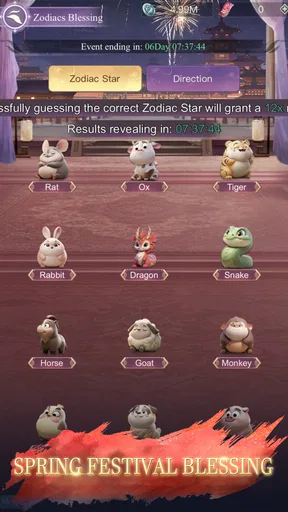
And let’s not forget about the events. The game regularly rolls out seasonal events and updates that keep things fresh and exciting. Whether it’s a special festival or a limited-time challenge, there’s always something new to look forward to.
Comparing it with other word games
The store classifies this as a word game, but the experience described by its cultivation, resource management, and idle role-playing structure is not the same as solving crosswords, guessing words, or building vocabulary through rounds of puzzles. I would not choose it as a substitute for those games. Its appeal is closer to a slow-growing fantasy role-playing experience: the satisfaction comes from tending a character and seeing progress accumulate, rather than finding the right word under a timer.
That distinction matters if you are browsing by category or sharing the game with someone who expects a conventional word challenge. If you enjoy puzzle apps because they offer a clear, self-contained task, a crossword or word-search game will be a more direct fit. If you like the idea of a manga-styled cultivation world and do not mind progress that unfolds gradually, this offers a different kind of downtime. I would decide based on that play loop, not on the category label alone.
Small choices that make the pacing work
My practical advice is to treat each visit as a quick review of priorities rather than tapping through every available screen. Check the cultivation goal first, then look at the resources connected to it. That simple order can make a resource-heavy game easier to approach: it gives each item a reason to matter instead of turning Chi, Spirit Jade, and other currencies into a blur of numbers. When I am short on time, I would make one considered choice and leave the rest for another session.
A second useful habit is to separate curiosity from urgency. The setting invites exploration, but an idle game can make every option look like something that must be handled immediately. I would focus on a single near-term aim—such as understanding the next step in cultivation—before investigating side activities. That keeps a short break short and helps prevent the game’s collection of systems from becoming homework.
For social play, I would also decide in advance how much attention I want to give to sects, events, or duels. They can add variety, but players who prefer a quiet solo routine may not need to make them the center of the experience. Someone who enjoys exchanging strategies may find that community layer gives long-term progression more texture. The trade-off is straightforward: more involvement can make the world feel livelier, while a lighter approach keeps the game easier to fit around other plans.
Who is likely to enjoy it—and who may not
I would recommend it to someone who likes fantasy cultivation themes, manga-style presentation, and progress that rewards patience. It is especially suited to a player who wants something to revisit during a calm moment, rather than a title that asks for continuous concentration. The free-to-play entry point makes it easy to try the basic experience, and the game is rated Everyone 10+. It is developed by Entrepreneur Game, with version 1.8.6 and a release date of November 7, 2019.
I would be more cautious if you dislike resource management, prefer immediate wins, or want every session to feel complete in a few minutes. An idle structure can feel rewarding when gradual growth is the point, but it can also feel passive if you want direct control and frequent mechanical challenges. The game is free, with in-app purchases ranging from $0.29 to $179.99 per item, so I would pay attention to purchase prompts and set a personal spending boundary before buying anything. Players who want to avoid optional spending altogether may prefer a paid game with a clear one-time price.
Access across different situations
The game’s measured pace can work well when I am at home with time to read, or during a quiet break when I can give its systems a little attention. It is less suited to moments when I cannot comfortably focus on a screen or need to respond immediately to something else. I would not assume that idle progress makes it a hands-free activity: checking resources, reading options, and choosing what to do still require active attention.
For someone considering it because of a particular access need, the sensible test is to try the early interactions on the device they plan to use. Notice whether the text is comfortable to read, whether the menus are manageable, and whether the game’s visual style remains comfortable over a short session. Those personal checks are more reliable than judging accessibility from genre alone. The same applies to sensory preferences: a tranquil theme may appeal, but the actual screen experience is what matters.
What to expect before settling in
A common question is whether this is a game I can leave alone. Its idle design supports progress between active decisions, but I would still think of it as a game to check and guide, not as a completely self-running story. Another reasonable question is whether it is mainly about narrative or mechanics. In my experience of its premise, both are part of the draw: the mythic setting gives context, while cultivation and resource choices supply the ongoing structure.
Players may also wonder whether social features are essential. I see them as an extra route into the world rather than the only reason to play; someone who prefers a personal progression path can focus on that, while a more social player can explore sects and duels. And if the game’s pace feels slow at first, I would give its gradual approach a fair chance—but not force it. If I am looking for fast rounds, immediate action, or traditional word puzzles, choosing another game is the better decision.
Final Thoughts
So, should you dive into the mystical world of Immortal Taoists - Idle Manga? If you’re a fan of idle games with a rich narrative and strategic depth, absolutely. It’s a game that understands the balance between relaxation and engagement, providing an experience that’s both rewarding and calming.
Whether you’re a seasoned gamer or just looking for a new way to unwind, Immortal Taoists offers something unique. It’s not just a game; it’s a journey—a chance to explore a world where mythology comes alive and every small step leads to immortality. Who knew reaching enlightenment could be this much fun?
My final take is that its best quality is the way it pairs a patient cultivation loop with a distinct fantasy identity. I would choose it for a quiet, recurring hobby, not as a replacement for a focused word puzzle or a high-energy game. If that sounds like the kind of routine you want, it is worth trying; if not, there is no need to turn a gentle game into another task on your list.
Inclusive verdict
For me, the fairest verdict is that the game’s calm pace may lower pressure for some players, but it does not remove the need to read, navigate, and make resource decisions. Its usefulness depends on what feels comfortable on your device and how much complexity you want from an idle game. I would recommend giving it a short, unhurried trial if the theme appeals, then deciding from the actual interface and rhythm—not from assumptions about who an idle game is for.
Pros
- Engaging storyline with rich lore.
- Stunning art style and visuals.
- Deep character customization options.
- Idle mechanics suit busy schedules.
- Frequent updates with new content.
Cons
- In-app purchases can be pricey.
- Progression can feel slow at times.
- Requires a stable internet connection.
- Interface can be cluttered on smaller screens.
- Limited social interaction features.
FAQs for Immortal Taoists - Idle Manga
What is the main gameplay mechanic of Immortal Taoists?
Immortal Taoists is primarily an idle game with RPG elements. Players take on the role of a cultivator seeking immortality. The game focuses on character progression through meditation, cultivation, and resource management. It allows you to progress even when offline, which fits well for players who enjoy gradual advancement without constant engagement.
Is Immortal Taoists free to play?
Yes, Immortal Taoists is free to download and play on both Android and iOS platforms. However, it does include in-app purchases for various items and resources that can enhance your gameplay experience. These purchases are optional, and the game can be enjoyed without spending real money, though progress may be slower.
What are the system requirements for Immortal Taoists?
For Android devices, Immortal Taoists requires Android 4.1 or higher. For iOS users, the game requires iOS 9.0 or later. It's compatible with iPhone, iPad, and iPod touch. The game is lightweight, but ensuring enough storage and regular updates will help maintain optimal performance.
Can I play Immortal Taoists offline?
Yes, Immortal Taoists features idle mechanics that allow your character to continue progressing even when you're offline. This makes it convenient for players who cannot always be connected to the internet. However, some features may require an internet connection, such as events or purchasing in-game items.
How does the cultivation system work in Immortal Taoists?
The cultivation system is central to Immortal Taoists. Players meditate to gather Qi, which is used to progress through different cultivation realms. Each realm enhances your character's abilities and unlocks new features. It's crucial to manage resources wisely and balance cultivation with other activities like alchemy and adventuring to maximize growth.


